By Phoebe Chidley, an employee of The Adoption Exchange
In mid-March of 2020, the format of my graduate program made a rapid change from 100% in person to 100% online. For the past five months, I’ve been working remotely and attending school remotely. With the fall semester just around the corner, I’m in limbo as I await my graduate program’s decision about whether classes will be entirely in person, completely virtual, or a hybrid of the two.
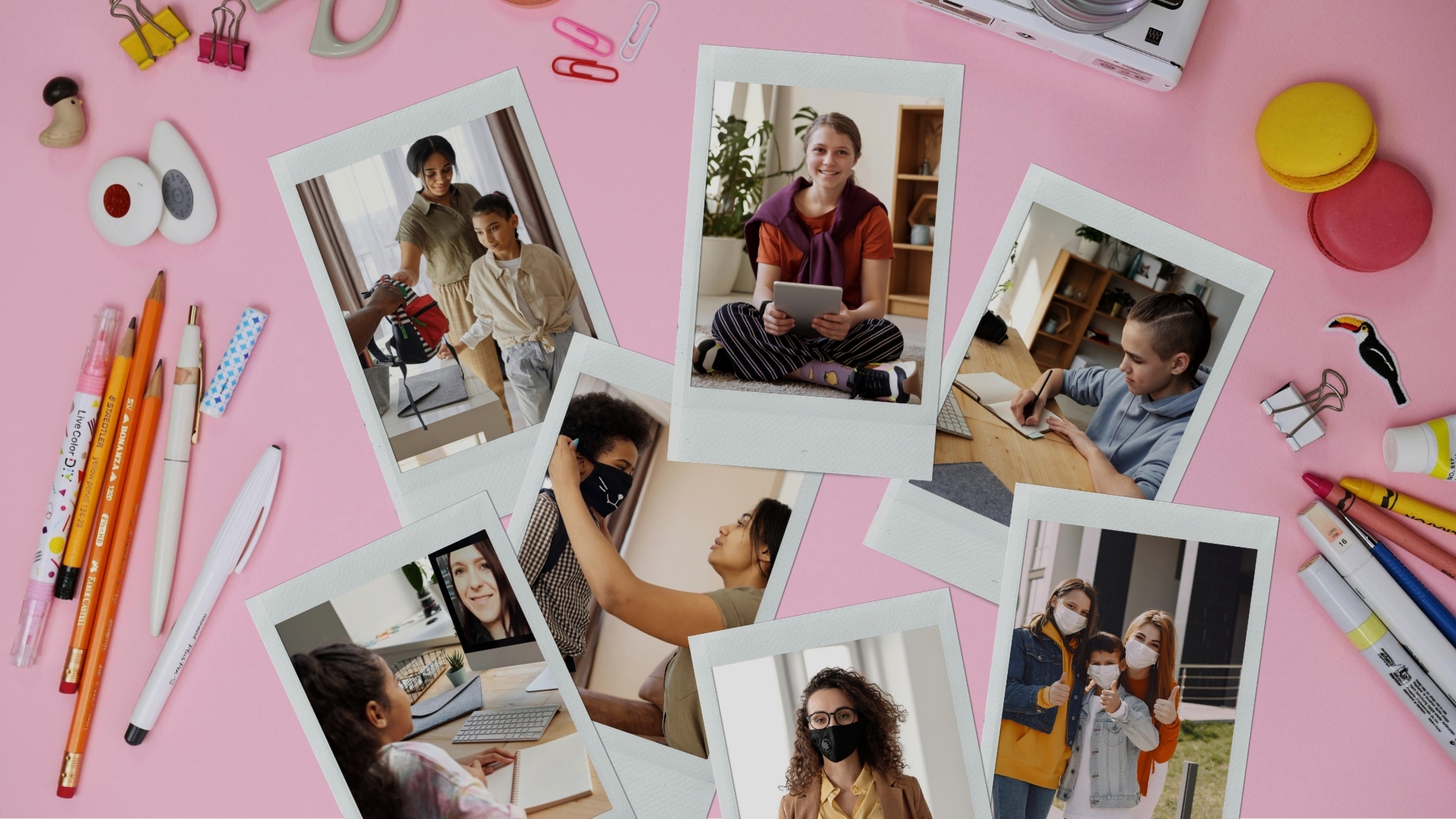
The stress of the global pandemic weighs on me, but I can only imagine how difficult this season of back-to-school-under-extraordinary-circumstances feels for youth and families – especially those youth and families who’ve been involved in the child welfare system. The added layer of past trauma complicates this year’s back-to-school experience, whether a child is headed back to a brick and mortar institution or starting a new year of remote learning. On one hand, it may be nerve-wracking to return to an in-person school environment where the threat of infection seems to lurk around every corner – and especially so for youth with trauma histories whose felt-safety is critically important. At the same time, distance learning brings its own set of challenges; our youth may be even more strongly impacted by the disconnection and isolation that comes with not seeing classmates and teachers in person.
I asked two of my colleagues at The Adoption Exchange what they are seeing in their daily work with youth and families. Gloria, an Intensive Recruiter, shared that the youth on her caseload have expressed concerns about distance learning. “They are unhappy in their group homes when they don’t get to attend school in person,” she said, noting that being stuck at home makes them feel bored and anxious.
Emma, a member of our Family Support team, said that caregivers have expressed concern about their children going back to school this year. “Most parents I work with already worry for their children at school when there is no pandemic,” Emma shared. “This year, all of those worries are amplified.” Among the most common worries that parents have voiced: sensory challenges associated with wearing a mask for long periods of time, children intentionally making choices to get them sent home, and children or friends/teachers getting sick. Some parents Emma works with have voiced fears about their own “burnout” or their lack of ability to teach or support their child academically.
Clearly, this is not an ideal situation, and there is no perfect solution. So what can we do?
I asked those same two colleagues to share the advice they’ve been giving to their youth and the families they serve. Gloria encourages her youth to continue to use feeling words with team members to obtain support when they feel frustrated, cooped up, anxious, and/or annoyed with their housemates. In working with caregivers, Gloria reminds them to be patient with themselves and try to view increased behaviors during these uncertain times from the youth’s perspective, keeping in mind that this experience may trigger previous feelings around past experiences that felt similarly unstable or unpredictable. Emma has told parents that whatever decision they make will be the right one. “While no one wants to put their child at risk, every family must make the decision of what they can or cannot do in order to survive until COVID-19 is no longer a concern,” she says. Emma encourages parents to listen to their own instincts.
So here we go: Back to School 2020. It’s going to be different. Whatever it may look like for you, I wish you the best. Stay safe and take care.
Additional Resources:
- The Adoption Exchange’s Coronavirus Resource Page
- Back to School Planning: Information from the CDC
- Article: “Helping Your Teen Succeed at Remote Learning”
- Article: “Expert Offers Advice to Ease Back to School Anxiety”
- Article: “Supporting Your Child’s Mental Health as They Return to School during COVID-19”