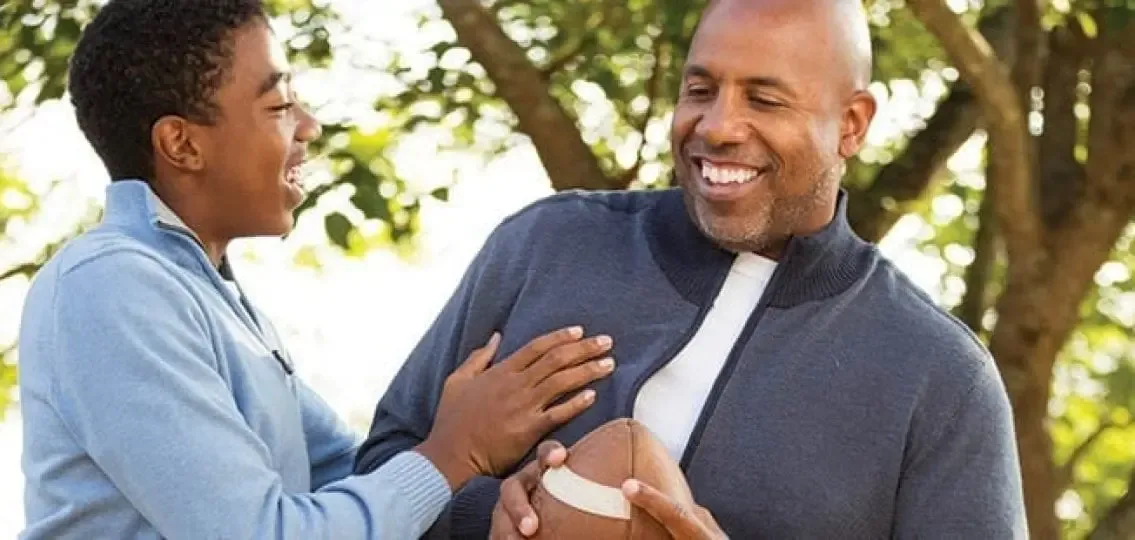
Sometimes the first step toward family is earning a young person's trust.
To protect the privacy of those involved, the names of the youth and family members in this story have been changed.
This story is based on the experiences and reflections of Youth Connections Advocate Maddie Emes.
When Youth Connections Advocate Maddie Emes began working with Owen in February 2025, she stepped into a case that had already been underway for nearly a year. Owen had entered Raise the Future's program in March 2024, where a previous Youth Connections Advocate had completed an initial case review, diligent search, adoption readiness assessment, and adoption preparation. During that time, one important challenge became clear: Owen's siblings each had different permanency plans, creating understandable emotions and uncertainty about what his own future might look like.
As Maddie transitioned onto the case, she focused on learning everything she could about Owen before building on the work that had already begun. She met with his caseworker to better understand his history, strengths, interests, dislikes, and potential triggers. She reviewed his case records, built a family tree, and continued a diligent search using Seneca, FamilySearch, LexisNexis, case records, social media, phone calls, and text messages. In total, she identified 163 potential family and community connections. Although many of those individuals were not able to become permanent resources, they shared family history, photographs, additional names, and information that helped verify the family tree and guide the continued search for permanency.
While Maddie continued those search efforts, the child welfare agency was also recruiting and identified a potential adoptive placement for Owen and his younger brother. Maddie continued her diligent search until Owen was officially matched and moved into his adoptive home in July 2025.
Just as important as the search was the relationship Maddie built with Owen.
When they first met, Owen was quiet and guarded. He answered direct questions but rarely shared much beyond what was asked. Given the number of changes and losses he had experienced, Maddie understood why trust would take time.
"Rather than pushing him to talk before he was ready, I focused on showing up consistently and getting to know him at his pace," Maddie said. "Over time, that consistency helped him begin to open up."
As Owen became more comfortable, he began talking about his past, his family, and his concerns about adoption.
Although he said he wanted to be adopted, his feelings were more complicated than a simple "yes." His younger brother openly expressed excitement about adoption, while Owen's feelings were much quieter. Through adoption preparation, Maddie helped him explore the fears that many youth in foster care experience as they think about permanency.
Owen shared that he worried about both his own safety and his younger brother's. After living with his foster mother for nearly a year, he had finally found a place where he felt safe. He worried that adoption might mean leaving that home for somewhere unknown. For Owen, adoption was not just about finding a family. It was also about the possibility of losing the stability, safety, and relationships he had already built.
Through adoption preparation, Maddie and Owen talked about what family could mean. Together, they explored the idea of chosen family and identified the people he already considered family, including his foster mother. Those conversations helped him understand that important relationships could continue, even as new ones were formed. Today, he continues to stay in touch with his foster mother, who has visited him in his adoptive home.
When Owen first met his adoptive family, many of the same walls Maddie had seen at the beginning of their work together returned. But through consistent phone calls, in-person visits, and the adoptive family's patience, he slowly began opening himself to the idea of permanency. By the time he moved into his adoptive home with his younger brother, he was excited about permanency. He still carried some fears, but he knew he wanted a family he could call his own and where he felt safe.
Looking back, what Maddie remembers most isn't the number of searches she completed or the names she uncovered. It's watching Owen slowly begin to trust.
"He was one of the first cases I onboarded when I started, so I was able to see the trust and openness blossom simply by showing up and proving that I was a trusted adult who was listening to him," Maddie said. "He tended to be closed off, especially regarding his feelings. Seeing him progressively open a little bit more each time really showed why this work matters."
Owen's story is a reminder that this work is about more than finding names or completing searches. It's about taking the time to understand what permanency means to each young person, recognizing the fears beneath their behavior, and protecting the relationships that matter along the way. By building trust and taking the time to understand Owen's perspective, he was able to move toward a permanency plan that felt safer, more thoughtful, and more connected to the people who mattered most to him.
Every young person deserves people who stay. If you'd like to learn more about Raise the Future's Youth Connections program or the work behind these stories, we're here to answer questions and share more.
Connect with our team. https://www.raisethefuture.org/contact