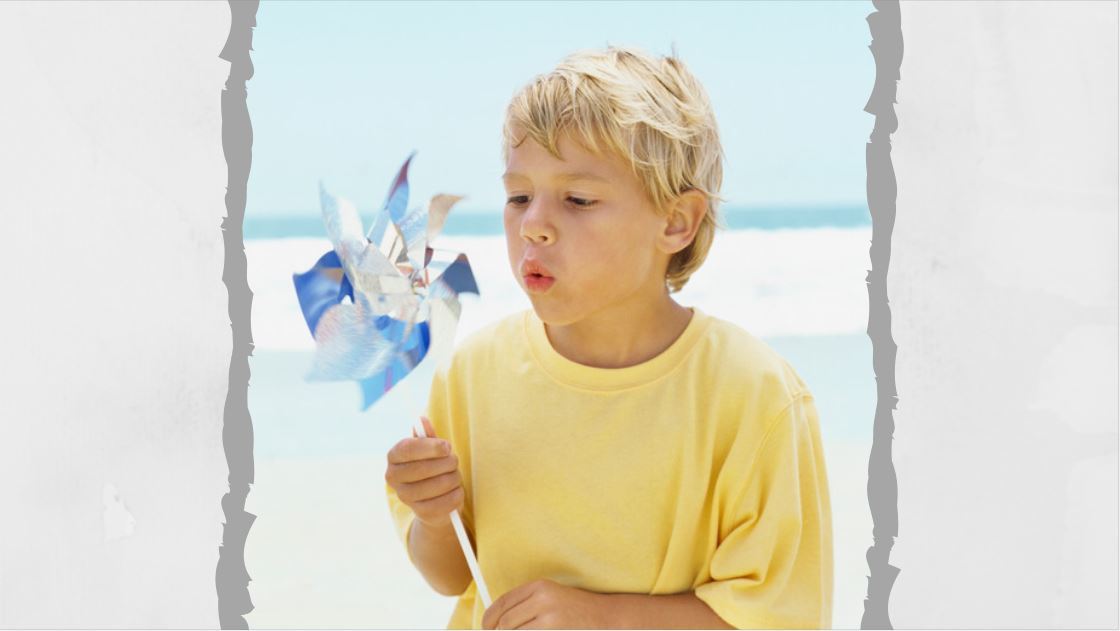
For the first seven years of his life, Justin* experienced neglect and abuse at the hands of his parents. He came into state custody at almost eight years old, and over the next four years, Justin moved from home to home while trying to cope and understand the abuse he had experienced for most of his life. He was several grades behind in school. He was timid and had no friends or permanent adults in his life.
In February 2019, Justin finalized his adoption with his two dads. On the day of his adoption, he said, “It’s nice to know that I can go to them when I am upset or sad. I like having them as my people.” In just the last few months, Justin has jumped two grade levels, celebrated his birthday with his very first birthday party, joined many groups, and made lots of friends.
Justin still struggles with the abuse and neglect that he experienced early on in his childhood; it is something that will stay with him for the rest of his life. But with the help of his family, he is learning to overcome his past trauma and, for the first time in his life, feels excited for what is to come.
Child abuse is when a parent or caregiver, whether through action or failure to act, causes injury, death, emotional harm or risk of serious harm to a child. There are many forms of child maltreatment, including neglect, physical abuse, sexual abuse, exploitation, and emotional abuse.
Every year, more than 3 million reports of child abuse are made in the United States. Child abuse can happen in any family and in any neighborhood. Studies have shown that child abuse crosses all boundaries of income, race, ethnic heritage, and religious faith. The incidence of child abuse, however, is higher in the following groups:
- Families in which the parents are in their mid-20s
- Families in which the parents are high school dropouts or lack a high school diploma
- Families living below the poverty level or financially stressed
- Families stressed because of a loss of job or home
- Families with a history of intergenerational abuse
- Families with alcohol or substance abuse problems
- Families with a history of depression
- Families in which spousal abuse occurs or has occurred in the past
Prevent Child Abuse America offers these tips for preventing child abuse:
- Try to understand your children. Learn how kids behave and what they can do at different ages. Have realistic expectations and be reasonable if children fall short.
- Keep your children healthy. Denying children food, sleep, or healthcare is abuse by neglect.
- Get help with alcohol or drug problems. Keep children away from anyone who abuses those substances.
- Watch your words. Angry or punishing language can leave emotional scars for a lifetime.
- Get control of yourself before disciplining a child. Set clear rules so the child knows what to expect. Avoid physical punishment.
- Take a time-out. Stop if you begin to act out frustration or other emotions physically. Find someone to talk with or watch your kids while you take a walk. Call a child abuse prevention hotline if you are worried you may hit your child.
- Make your home a violence-free zone. Turn off violent TV shows, and don’t let kids stay under the same roof with an abusive adult.
- Join a support program for new parents.
- Take regular breaks from your children. This will give you a release from the stress of parenting full-time.
- Remember that child abuse often repeats itself in the next generation. By doing what you can to prevent it today, you can help save children’s lives far into the future.
Healthy relationships have tremendous healing power. In fact, the single most common factor for children who develop resilience is at least one stable and committed relationship with a supportive parent, caregiver, or other adult. Child abuse and neglect are heartbreaking realities, but stories like Justin’s give us hope for the future.
If you see any signs of abuse in someone you know, or if you yourself are involved in an abusive relationship, get help right away. The Childhelp National Child Abuse Hotline is a 24-hour hotline with resources to aid in every child abuse situation. All calls are confidential. Call 1-800-4-A-CHILD (1-800-422-4453) for help.
*Name has been changed to ensure confidentiality.