
By Erin Cassidy, M.A., an employee of Raise the Future
In May 2020, shock over the death of George Floyd flooded the nation. There were few places where we could retreat without hearing or talking about it. It was a catalyst for hard but necessary conversations about race. In a lot of ways, it created space for conversations on racism and racial inequity in systems and organizations that people had previously pushed aside. How are we complicit in racism? What are we doing to actively combat it? What are the basics of understanding language and work around this topic? For Raise the Future, this became the focus of many in the organization. How has racism touched the child welfare system? Does racism inform our practices? Are we a small link in the chain around this problem? The answer, unsurprisingly so, was yes.
When we look at the statistics on youth in care, the harsh reality is that nationally, youth of color are overwhelmingly overrepresented. National data shows that Black children are 2.5 times more likely to be placed in foster care (NASPA, 2020). White youth make up more than half of the U.S. youth population and make up about 44% of the youth in foster care. Black youth make up just 14% of the youth population in the U.S. but make up 25% of the youth in care. Native youth, experiencing similar overrepresentation as Black youth, make up 1% of the U.S. population but represent 2% of the youth in care. Specifically, in states that Raise the Future serves (Colorado, Utah, and Nevada), Black youth are represented in foster care at twice the rate of their respective populations (Child Trends, 2019).
Examining data on the youth that we serve at Raise the Future, we found that it takes longer for youth of color to obtain almost all types of permanency compared to White youth.
- Finalization: Average of 2.16 years vs. 2.05 years
- Permanent Custody: Average of 2.21 years vs. 1.68 years
- Guardianship: Average of 2.93 years vs. 2.62 years
Not only do we find that youth of color are entering the child welfare system at alarming rates and see the discouraging statistics around legal permanency, but we are also finding that once a child enters the system, they face another set of struggles. Some of the issues children of color in care face today include: being placed outside of their community and having few racial mirrors, systemic racism displayed by child welfare professionals, and few people willing to talk to youth about race.
One Raise the Future youth, Zoe, who is biracial (having one White and one Black parent), said: “I believe that I had support in developing my racial identity mostly through my last foster family. They helped me realize how much I have missed and have also helped me open my eyes to my culture.” When asked if she believed that kids of color experience foster care differently than White youth, she said: “Definitely. I feel as though White youth get it easier—they get adopted easier, have it easier when finding a home. It’s very much a privileged space to be in.”
Interestingly, although there are more youth of color represented in foster care, Zoe is right in her feelings. Children who are White are more likely to be adopted out of foster care. Of the 400,000+ children in foster care waiting to be adopted, about 44% are White; of those who were adopted from a public agency, 49% of completed adoptions were of White youth.
So, how do we combat these alarming statistics? Considering that youth of color are entering the child welfare system at higher rates compared to White youth, we should examine the way these youth are entering. We know the vast majority of youth enter care because of neglect, and we also know that many child welfare policies often rely on subjective observation when it comes to assessing safety, which can lead to space for bias. This is where poverty can be interpreted as neglect, and our observations are often muddied by our own biases. Individuals may have preconceived notions about neighborhoods, familial status, income, cultural practices, and more.
Imagine if race did not exist when considering if a child welfare case should be opened. In 2010, Dr. Jessica Pryce, Director of the Florida Institute for Child Welfare, piloted a program of blind removals in Nassau County, New York.
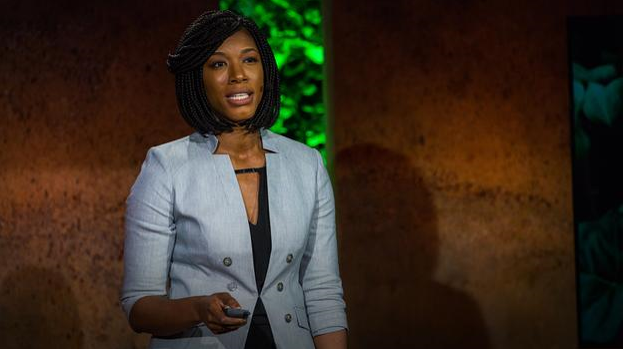
This program aimed to look solely at the facts of a case raised to the county, eliminating all identifying factors of a child and family when considering how to proceed with a child welfare case. In five years of removing the addresses, races, names, ethnicities, and nationalities of the people involved in cases, the number of Black children removed from their homes decreased from 55.5% to 29%. Blind removal practices allowed more Black families to stay together. When we remove our own biases from child welfare practices, we can ensure a fairer and child-focused approach to serving youth and their families.
In examining our own work towards antiracist practices in child welfare, Raise the Future has established our Racial Equity Task Force devoted solely to this work. Since the inception of the task force, all staff members have had required training in race and cultural competency in child welfare. We have identified racial trends among the youth we serve, compiled resources for constituents, and prioritized furthering education for our staff and the families and professionals we serve. We know there is much more work to do in these efforts and are committed to furthering this work.
--
Do you have feedback to share regarding racial equity at Raise the Future? Click here to participate in our Racial Equity Survey.
About the Author: Erin Cassidy is a graduate of the Master’s program in Ethnic Studies from Colorado State University and holds a Bachelor’s degree from the University of Northern Colorado in Africana Studies. During her graduate studies, her research focused on the racial identity development of Black and Indigenous children being raised by White mothers and families. Throughout her time conducting this research, she volunteered with Weld County CASA and continued on to work with families in low-income housing. Erin pairs her personal lived experience with her research to provide insight on the significance of intentionally and strategically placing role models of color in the lives of children of color when they are being raised by primarily White care providers. Erin currently serves as a Youth Connections Advocate at Raise the Future.